
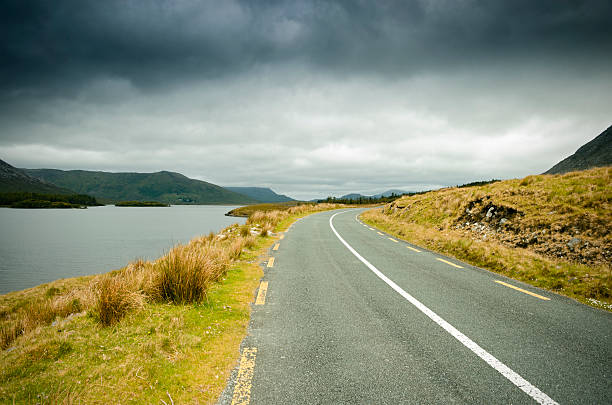
Being a disabled person can often feel like you’re walking a lonely road. A road that wasn’t built for you. One with no footpaths, no signs, and no safe shoulders to pull over when the journey gets too much. There are times when you look around and think, am I the only one fighting this fight?
That’s exactly what led me to becoming more visible online back in 2021. I had no big masterplan, no brand strategy, no content calendar. I just knew I was tired of shouting into a void and hoping someone, anyone, might recognise the daily grind of navigating a world not made for you.
Visibility and representation are not nice extras. For disabled people, they are oxygen. They are survival tools. They are the thing that remind us we are not the problem. We are not broken. We are not less. What breaks us is the system, the red tape, the inaccessibility, the stairs with no lifts, the buses that don’t come, the services that gaslight us, the endless forms, and the pity dressed up as progress.
Last week, I shared a blog about Mayo GAA, Father’s Day, and the emotional rollercoaster of sport, memory, and grief. What I wasn’t expecting was the reaction. The comments. The private messages. The people who said, “You put words on what I feel but didn’t know how to say.”
And just like that, I was reminded that this road isn’t so lonely after all. That there are others walking it too. We may be in different towns, with different diagnoses, but the map of marginalisation is painfully familiar.
When I started showing up more publicly, through speaking, social media, writing, I made a promise to myself. If I was going to be visible, I wasn’t going to play pretend. No sugarcoating. No forced optimism. No polishing the rough edges to make disability easier for people to digest. Because the truth is, a lot of it is a shit show. And pretending otherwise helps no one.
The problem isn’t our bodies. The problem is the world built around us that refuses to stretch.
I’m tired of inspiration porn. Tired of the whole “look at her go” narrative when I’m just going to the shop or attending a meeting. Existing while disabled is not a performance. It’s not a plot twist. It’s a reality. It’s messy and layered and political and personal.
I want to talk about the days I sit on the phone for an hour only to be told the support I need “isn’t available right now.” I want to talk about the times I go to an event and realise there’s no accessible toilet or space to actually get to the front. I want to talk about the career opportunities that pass me by because the world isn’t ready to accommodate my brilliance. I want to talk about how you can be smart, qualified, passionate, and still be left waiting on a transfer or a promotion because access is treated like a favour, not a right.
And I want to talk about how every time I do speak up, I hear from someone else who says, “Thank you. I feel seen.”
That’s what keeps me going.

It can be exhausting to be “the one.” The one who calls it out. The one who flags the issue. The one who reminds the room that inclusion should have been baked in from the start. But if being that person makes it even a fraction easier for someone else, I’ll keep doing it. Not because I enjoy it, but because I’ve lived long enough on the wrong side of silence.
People sometimes ask me, isn’t it hard to be so honest online? And the answer is yes. But it’s harder to pretend.
If I only shared the polished version of disabled life; the wins, the stages, the moments when everything aligns, I’d be lying. And worse, I’d be reinforcing the same system that left me out in the first place. The truth is, sometimes I cry after interviews. Sometimes I lose hours to bureaucracy. Sometimes I want to switch off the world and stop explaining myself.
But I also get messages from young disabled people who say, “I didn’t know we were allowed to be this vocal.” And that’s why I stay.
This work is slow. It’s unpaid most of the time. It’s relentless. And it’s necessary.
So if you’re reading this and feeling like you’re the only one fighting, know that you’re not. If you’re exhausted by trying to appear capable in a world that constantly puts obstacles in your way, I see you. If you’ve been made to feel like your needs are “too much,” I assure you, they’re not. What’s too much is the system that treats access like a luxury.
The more visible we become, the harder it becomes for society to look away. That’s why representation matters. Not to be tokenistic. Not to be exceptional. But to show up in our fullness; joy, rage, humour, grief, brilliance, and all.
So yes, this road can feel lonely. But we are not alone.
Every comment I receive that says, “You wrote what I feel,” is proof of that. Every story someone shares back is a piece of the map we’re all trying to build, one that leads us out of isolation and into collective power.
Let’s keep showing up. Let’s keep being real. Let’s keep reminding this country that disabled people are not a problem to solve. We are part of the solution.
We are the spark. The storm. The scaffolding.
And we’re not going anywhere.
If you want to hear more real, lived experience and join conversations that matter, come to Expanding Horizons on July 24th at the Great National Hotel, Ballina. For more info, click here.

Leave a Reply